Categoria: public

  • Debunking common gambling myths you need to know

    Debunking common gambling myths you need to know

    Understanding the Luck Factor in Gambling

    One of the most pervasive myths in gambling is that luck plays a predominant role in determining outcomes. Many believe that luck is solely responsible for wins or losses, neglecting the significance of strategy and knowledge. While luck does influence short-term results, understanding game mechanics can greatly improve long-term success. Players who familiarize themselves with the rules and strategies of various games tend to fare better than those who rely solely on chance. For instance, exploring different strategies for winning at slots can enhance one’s gaming experience, such as what can be found at https://winissimo-uk.com/.

    Additionally, different games have different odds, which can affect a player’s overall experience and outcomes. For instance, table games such as blackjack and poker involve skill and decision-making, whereas slot machines rely heavily on random number generators. By understanding the nuances between these games, players can make more informed choices that can influence their success over time, diminishing the myth that luck is the sole factor.

    Ultimately, while luck will always play a part in gambling, embracing knowledge and strategy can enhance a player’s odds. Gamblers are encouraged to engage actively with games rather than passively waiting for lucky breaks. Understanding the odds and practicing responsible gaming are essential in dispelling the myth that luck is the only key to winning.

    The Fallacy of “Hot” and “Cold” Slots

    Another common myth is the belief that slot machines can be “hot” or “cold.” Many players assume that if a machine hasn’t paid out in a while, it is due for a win, or conversely, if it has recently paid out, it is less likely to do so again soon. This misconception arises from a misunderstanding of how random number generators work. Each spin is an independent event, meaning past results do not influence future outcomes.

    This myth leads many players to invest time and money in specific machines based on their perceived hot or cold streaks, which can ultimately result in frustration and losses. Understanding that each spin is random helps to clarify that there is no predictable pattern to follow. Instead of chasing the idea of a “hot” machine, players should focus on their bankroll management and enjoy the game for its entertainment value.

    Furthermore, casinos design slot machines with built-in house edges to ensure profitability over time. This fact reinforces the need to approach slots with a mindset focused on entertainment rather than expectation of wins. By debunking this myth, players can enjoy the gaming experience without the added pressure of trying to identify faulty machines based on superstitions.

    The Myth of Betting Progressions

    The concept of betting progressions, such as the Martingale system, is widely accepted among gamblers as a surefire way to recover losses. This myth suggests that doubling one’s bet after each loss will eventually lead to a win that covers previous losses. However, this strategy overlooks the reality of table limits and the inevitable risk of extended losing streaks, which can quickly deplete a bankroll.

    While some players may experience short-term success with betting progressions, the long-term viability is questionable. Casinos set limits to prevent players from exploiting betting strategies. If a player hits the maximum limit after several losses, they may find themselves unable to continue their strategy, leading to significant financial losses. Understanding these limits is crucial for anyone considering this approach.

    Moreover, gambling should be viewed as a form of entertainment rather than a guaranteed way to make money. Relying on betting progressions can create a false sense of security, leading to higher risks and potential addiction. Recognizing that there are no guaranteed methods to win can help players maintain a healthier perspective on gambling.

    Beliefs About Dealer Behavior

    Many gamblers harbor the belief that a dealer can influence the outcome of a game, especially in table games like blackjack or roulette. Some players think that a dealer can manipulate cards or the spinning wheel to favor certain outcomes. This myth is rooted in misconceptions about the skill level of dealers and their control over the games, which is minimal, as all games are designed to operate fairly and randomly.

    In reality, professional dealers are trained to follow strict protocols that ensure fair play. Their primary responsibility is to manage the game rather than influence the results. Many casinos employ surveillance and other measures to ensure that games are conducted fairly, further discrediting this myth. Players should understand that outcomes are determined by chance and established odds rather than by dealer behavior.

    Moreover, believing that a dealer holds power over the game can lead to misunderstandings and unnecessary frustration for players. Focusing on understanding the rules and strategies of the game rather than attributing outcomes to dealer influence can enhance the overall gaming experience. It promotes a mindset geared toward learning and enjoyment rather than misplaced distrust.
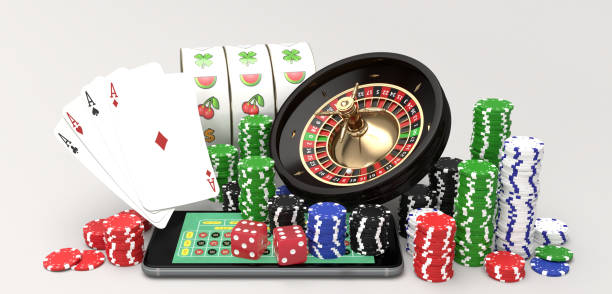
    Winissimo Casino: Your Gateway to Informed Gambling

    Winissimo Casino is an exceptional platform for those looking to engage in online gaming while avoiding common myths surrounding gambling. With over 4,000 games available, including slots and live dealer options, players can choose their favorites and explore new gaming strategies. The licensed environment ensures that all games are fair and regulated, providing peace of mind to players.

    The casino offers enticing bonuses, such as a £200 welcome bonus and 50 free spins on popular slots like Starburst, allowing players to extend their gaming experience. Furthermore, features such as quick withdrawals and diverse payment options, including PayPal, enhance the overall gaming experience, making it accessible and efficient. Players can focus on enjoyment while feeling secure in their choices.

    By joining Winissimo Casino, players not only gain access to an extensive game selection but also the opportunity to deepen their understanding of responsible gaming practices. Engaging with the casino’s resources can help dispel myths and promote a healthier gambling mindset, encouraging players to enjoy their time without the burden of misconceptions that often cloud the experience.


  • Understanding the psychology of risk Why do we gamble

    Understanding the psychology of risk Why do we gamble

    The Nature of Risk in Gambling

    Understanding why people gamble requires a deep dive into the inherent nature of risk. At its core, gambling is an activity that involves uncertainty and the potential for loss. Many individuals are drawn to the thrill of risking something valuable for the chance of a larger reward. This interplay of potential gain and loss creates a psychological tug-of-war, stimulating the brain’s reward centers and releasing dopamine, which fosters feelings of pleasure and excitement. As players explore options, websites like rubyfortune-nz.co illustrate how diverse gaming experiences can enhance engagement.

    Risk-taking behavior in gambling can be influenced by various factors, including personality traits, life experiences, and even social environments. For instance, individuals with high levels of impulsivity may find themselves more susceptible to gambling. The excitement derived from the possibility of winning can overshadow the inherent dangers, leading to repeated engagement in gambling activities despite potential negative consequences. In this context, understanding an individual’s relationship with risk can help explain their gambling behaviors.

    Moreover, risk in gambling is often framed by cognitive biases, such as the illusion of control or overconfidence. Gamblers may believe that they can predict or influence outcomes, leading them to take irrational risks. These biases can skew perception and enhance the allure of gambling, reinforcing the cycle of risk-taking behavior. Recognizing these psychological factors is crucial for both gamblers and professionals who aim to understand and address gambling-related issues.

    The Emotional Drivers Behind Gambling

    The emotions involved in gambling play a pivotal role in why individuals choose to engage in such activities. Many gamblers experience heightened excitement during play, which can lead to feelings of euphoria when winning. This emotional high can quickly become addictive; the brain starts to associate gambling with pleasure, making the activity an appealing escape from daily stresses or emotional pain.

    Furthermore, the emotional aftermath of gambling can vary dramatically. Winning can create an exhilarating high, while losing can lead to feelings of regret or disappointment. Some individuals may gamble to cope with negative emotions or life situations, seeking solace in the uncertain thrill of potential financial gain. This emotional rollercoaster can solidify gambling as a coping mechanism, illustrating its complexity as a psychological phenomenon.

    Interestingly, social factors also contribute to the emotional drivers behind gambling. Many people partake in gambling within social settings, viewing it as a bonding activity that fosters connections. This communal aspect can amplify the emotional experience, making it more appealing and enhancing the perceived enjoyment of risk. However, this can also lead to peer pressure, further entrenching individuals into gambling behavior despite any negative consequences.

    The Role of Cognitive Biases in Gambling Decisions

    Cognitive biases significantly impact decision-making processes in gambling. Gamblers often fall prey to biases such as the gambler’s fallacy, where they believe that past events will influence future outcomes. For example, if a player has experienced several losses, they may incorrectly assume that a win is “due,” prompting them to gamble more aggressively.

    Another prevalent bias is the concept of sunk cost fallacy, wherein individuals continue to invest in gambling to avoid the regret of past losses. This psychological trap can lead to escalating bets as gamblers chase their losses, creating a vicious cycle that is hard to escape. Understanding these cognitive pitfalls is essential for recognizing harmful patterns of behavior associated with gambling.

    Moreover, the framing of odds and information can also influence decision-making. For example, lotteries often promote the massive potential jackpots while downplaying the extremely low chances of winning. This selective presentation can skew perceptions of risk and reward, encouraging individuals to gamble even when the odds are heavily against them. By acknowledging these biases, individuals can develop a more rational approach to gambling and make informed choices.

    The Social and Cultural Context of Gambling

    The social and cultural dimensions of gambling significantly shape its prevalence and perception within different communities. In many societies, gambling is woven into the cultural fabric, celebrated as a form of entertainment and recreation. Events such as horse races or poker nights can foster community bonds and collective excitement, making gambling a socially acceptable activity.

    However, cultural attitudes toward gambling can vary widely. In some cultures, it is viewed negatively, often associated with moral and ethical dilemmas. Conversely, in places where gambling is legalized and regulated, it can be seen as an economic boon, generating revenue and employment. This dichotomy highlights how societal norms influence individual gambling behaviors, often dictating the extent to which people engage in these activities.

    As technology continues to evolve, the social context of gambling is also changing. Online platforms have made gambling more accessible, leading to concerns about increased participation, particularly among younger demographics. The rise of social media and mobile gaming has transformed how gambling is perceived and experienced, allowing individuals to engage in these activities anytime, anywhere. This shift presents both opportunities for entertainment and challenges for responsible gambling practices, illustrating the complexities of gambling in a modern context.

    Exploring Ruby Fortune’s Contribution to Online Gambling

    As a premier online gaming destination, Ruby Fortune has revolutionized the gambling landscape by offering a diverse range of gaming experiences. With over 550 games available, including popular pokies and immersive live dealer options, Ruby Fortune provides an exciting platform for both casual players and seasoned gamblers. The site’s user-friendly interface makes it accessible for all, catering to a broad audience while maintaining high entertainment standards.

    Moreover, Ruby Fortune places a strong emphasis on player security and fast withdrawals, ensuring that users can enjoy their gaming experience with peace of mind. By prioritizing player satisfaction and safety, Ruby Fortune not only enhances the gaming experience but also cultivates a trustworthy environment for online gambling. This commitment to security reflects the site’s understanding of the psychological aspects of gambling, recognizing the importance of trust in fostering a positive user experience.

    With enticing welcome bonuses and ongoing promotions, Ruby Fortune attracts new players while retaining its loyal customer base. By acknowledging the emotional and psychological motivations behind gambling, the site continues to adapt and innovate in the ever-changing online gambling landscape. This commitment to excellence makes Ruby Fortune a preferred choice for gamblers seeking a reliable and enjoyable online gaming experience.

  • Ontdek verborgen verhalen van casinomedewerkers

    Ontdek verborgen verhalen van casinomedewerkers

    De dagelijkse realiteit van casinomedewerkers

    Werken in een casino is voor veel mensen een droom, maar de realiteit is vaak anders dan men denkt. Casinomedewerkers worden vaak geconfronteerd met lange uren en onregelmatige diensten, waarbij de druk om te presteren hoog ligt. De sfeer kan opwindend zijn, maar achter de glitter en glamour schuilt een wereld vol stress en verantwoordelijkheid. Medewerkers moeten niet alleen zorgen voor een goede klantenservice, maar ook alert zijn op mogelijke fraude of ongepast gedrag van gasten. Het is daarom belangrijk dat zij zich blijven informeren over platformen zoals de beste casino online om hun marktkennis te vergroten.

    Naast de gebruikelijke taken van het bedienen van klanten, moeten casinomedewerkers ook goed op de hoogte zijn van de verschillende spellen en hun regels. Dit vereist niet alleen kennis, maar ook vaardigheden in communicatie en mensenkennis. Vaak komen ze in contact met spelers die zich in verschillende stemmingen bevinden; van blije winnaars tot gefrustreerde verliezers. Het vermogen om professioneel te blijven en tegelijkertijd empathie te tonen is cruciaal in deze omgeving.

    Een ander aspect dat vaak over het hoofd wordt gezien, is de impact van technologie op het werk van casinomedewerkers. Met de opkomst van online gokken en digitale oplossingen, verandert de manier waarop casino’s opereren. Medewerkers moeten zich aanpassen aan nieuwe systemen en technologieën, wat soms een bron van frustratie kan zijn. Dit biedt echter ook kansen voor groei en ontwikkeling binnen hun carrière.

    Persoonlijke verhalen van casinomedewerkers

    De persoonlijke verhalen van casinomedewerkers zijn vaak inspirerend en onthullend. Veel medewerkers hebben unieke ervaringen die hun kijk op de wereld hebben veranderd. Een croupier kan bijvoorbeeld verhalen delen over hoe hij met een klant in gesprek raakte die zijn leven helemaal omgooide dankzij een grote winst. Zulke momenten maken het werk betekenisvol en geven een gevoel van voldoening. Het zijn deze verhalen die de menselijke kant van het casino belichten.

    Er zijn ook minder gelukkige verhalen die vaak niet gehoord worden. Sommige medewerkers hebben te maken gehad met uitdagende situaties, zoals mensen die verslaafd zijn aan gokken en hun problemen op hen afreageren. Deze ervaringen kunnen emotioneel zwaar zijn en hebben invloed op de mentale gezondheid van casinomedewerkers. Het is belangrijk dat casino’s ondersteuning bieden aan hun personeel om hen te helpen omgaan met deze situaties.

    Daarnaast zijn er verhalen van teamgeest en solidariteit. Medewerkers steunen elkaar in moeilijke tijden en vormen vaak hechte vriendschappen. Dit versterkt de werksfeer en zorgt ervoor dat iedereen zich gesteund voelt. Zo’n teamcultuur is cruciaal in een omgeving waar stress een constante factor is.

    De rol van technologie in de casino-industrie

    Technologie heeft de casinowereld de afgelopen jaren drastisch veranderd. Van geavanceerde gokkasten tot online platforms, de manier waarop mensen gokken is evoluerend. Voor casinomedewerkers betekent dit dat zij voortdurend moeten leren en zich moeten aanpassen aan nieuwe technologieën. Dit kan zowel uitdagend als opwindend zijn; een nieuwe gokkast kan immers ook nieuwe kansen voor interactie met klanten bieden.

    Met de groei van online gokken zijn sommige casinomedewerkers zich gaan richten op digitale platforms. Dit biedt hen de mogelijkheid om hun vaardigheden uit te breiden en een breder publiek te bereiken. Echter, de verschuiving naar online gokken brengt ook uitdagingen met zich mee, zoals de noodzaak om te begrijpen hoe deze platforms functioneren en hoe klantenbediening in een digitale omgeving werkt.

    De integratie van technologie in de casino-industrie zorgt ook voor verbeteringen in veiligheid en efficiëntie. Medewerkers maken gebruik van systemen om verdachte activiteiten te monitoren, waardoor zij een belangrijke rol spelen in het waarborgen van een veilige speelomgeving. Dit vereist een constante training en educatie, wat de druk op medewerkers verder verhoogt.

    De invloed van spelers op casinomedewerkers

    De interactie tussen spelers en casinomedewerkers is een fascinerend aspect van het werk. Spelers brengen niet alleen hun geld mee, maar ook hun emoties en verwachtingen. Dit kan leiden tot een unieke dynamiek, waarbij medewerkers als bemiddelaars optreden tussen de wensen van de spelers en de regels van het casino. Dit aspect maakt het werk zowel uitdagend als boeiend.

    De impact van spelers kan ook een zware tol eisen. Sommige casinomedewerkers kunnen te maken krijgen met agressieve of onredelijke klanten, wat een grote bron van stress kan zijn. Het vermogen om op een rustige en professionele manier te reageren is essentieel. Dit vraagt veel van de communicatieve vaardigheden en het emotionele uithoudingsvermogen van de medewerkers.

    Toch zijn er ook veel positieve interacties. Medewerkers hebben vaak de kans om langdurige relaties op te bouwen met trouwe klanten. Deze relaties kunnen leiden tot een gevoel van gemeenschap binnen het casino, waar medewerkers de namen en voorkeuren van terugkerende gasten kennen. Zulke verbindingen maken het werk niet alleen leuker, maar kunnen ook bijdragen aan de algehele sfeer in het casino.

    Over onze website

    Onze website biedt een uitgebreide en onafhankelijke vergelijking van de beste online casino’s in Nederland. Wij begrijpen de waarde van betrouwbare informatie, vooral als het gaat om gokken. Met onze gedetailleerde beoordelingen helpen we spelers de juiste keuzes te maken, zodat ze veilig en verantwoord kunnen genieten van hun speelervaring.

    Wij streven ernaar om actuele en transparante informatie te verstrekken over licenties, bonusvoorwaarden en uitbetalingstijden. Dit stelt spelers in staat om goed geïnformeerd te zijn en de beste aanbiedingen te vinden die bij hun speelstijl passen. Onze focus ligt op het creëren van een gebruiksvriendelijke omgeving waar spelers gemakkelijk de informatie kunnen vinden die zij nodig hebben.

    Door middel van ons platform willen we niet alleen spelers helpen, maar ook de stem van casinomedewerkers een podium geven. Hun verhalen en ervaringen zijn waardevol en dragen bij aan een beter begrip van de casino-industrie als geheel. We hopen dat onze artikelen inspireren en informeren, zowel voor spelers als voor medewerkers.

  • Guía paso a paso para triunfar en el juego de azar

    Guía paso a paso para triunfar en el juego de azar

    Entendiendo los juegos de azar

    El juego de azar es una actividad que ha capturado la atención de muchas personas a lo largo de la historia. En su esencia, se trata de la posibilidad de ganar o perder dinero basándose en eventos aleatorios. Existen diversos tipos de juegos de azar, desde tragaperras hasta apuestas deportivas, cada uno con sus propias reglas y dinámicas. Comprender la naturaleza de estos juegos es esencial para desarrollar una estrategia efectiva que maximice las posibilidades de ganar. Además, puedes visitar dragonia-casinos.es para obtener más información sobre los emocionantes servicios que ofrecen.

    La experiencia en el juego de azar no solo radica en la suerte, sino también en la habilidad y el conocimiento del jugador. Por ejemplo, en juegos como el póker, la estrategia y el entendimiento de los oponentes pueden ser tan importantes como la suerte de las cartas que se reparten. Por lo tanto, invertir tiempo en aprender las reglas y tácticas de cada juego puede ser una ventaja significativa a la hora de jugar.

    Adicionalmente, es vital reconocer el papel de la psicología en el juego. Las emociones pueden influir en las decisiones que tomamos, así como en nuestra percepción del riesgo. Entender cómo nuestras emociones pueden afectar nuestro desempeño en el juego es un paso importante para convertirnos en jugadores más efectivos y responsables.

    Estrategias de juego efectivas

    El desarrollo de una estrategia de juego adecuada es crucial para tener éxito en el mundo del azar. Una estrategia bien definida no solo ayuda a minimizar las pérdidas, sino que también puede maximizar las ganancias. Es recomendable investigar y practicar diferentes enfoques, dependiendo del tipo de juego. Por ejemplo, en las apuestas deportivas, analizar estadísticas y tendencias puede proporcionar una ventaja significativa sobre otros apostadores.

    Es igualmente importante establecer límites claros para el dinero que se está dispuesto a gastar. Esto no solo ayuda a proteger el capital, sino que también previene el juego compulsivo. Utilizar un presupuesto para el juego permite a los jugadores disfrutar de la experiencia sin caer en la tentación de arriesgar más de lo que pueden permitirse. Así, la disciplina financiera se convierte en un componente esencial de cualquier estrategia de juego.

    Otro aspecto clave es la gestión del tiempo. Jugar durante largos períodos puede llevar al agotamiento, lo que afecta negativamente la toma de decisiones. Establecer horarios de juego y tomar descansos regulares ayuda a mantener la mente clara y alerta, mejorando las posibilidades de éxito. Aprender a reconocer cuándo es el momento de retirarse es una habilidad invaluable en el juego de azar.

    Aprovechando promociones y bonos

    Las promociones y bonos son herramientas esenciales que los casinos ofrecen para atraer a nuevos jugadores y mantener a los existentes. Comprender cómo funcionan estas ofertas puede ser decisivo para aumentar las probabilidades de éxito. Por ejemplo, muchos casinos ofrecen bonos de bienvenida que permiten a los nuevos usuarios comenzar con un capital adicional, lo que amplía sus posibilidades de ganar. Es importante leer los términos y condiciones de cada bono para saber exactamente cómo se pueden utilizar.

    Además de los bonos de bienvenida, muchos casinos lanzan promociones regulares, como giros gratis en tragaperras o bonos por depósitos. Estas ofertas pueden ser una excelente manera de probar nuevos juegos sin arriesgar demasiado dinero. Sin embargo, es fundamental ser selectivo y aprovechar solo aquellas promociones que realmente aporten valor y se alineen con la estrategia de juego del usuario.

    La comparación de diferentes promociones y casinos es otra manera de maximizar los beneficios. No todos los casinos ofrecen las mismas condiciones o tipos de bonos, por lo que investigar y encontrar la mejor opción puede tener un impacto significativo en la experiencia de juego. Utilizar plataformas de comparación puede facilitar esta tarea y asegurar que los jugadores no se pierdan ninguna oportunidad valiosa.

    Conociendo la responsabilidad en el juego

    La responsabilidad en el juego es un aspecto que no debe pasarse por alto. Jugar de manera consciente y controlada es esencial para disfrutar de la experiencia sin poner en riesgo la salud financiera y emocional. Es crucial reconocer las señales de advertencia de la adicción al juego, como la necesidad de apostar más para obtener la misma emoción o la incapacidad para dejar de jugar. Estar consciente de estos signos ayuda a los jugadores a tomar decisiones más informadas.

    Las herramientas de autoexclusión y límites de depósito son recursos valiosos que los casinos suelen ofrecer. Estos mecanismos permiten a los jugadores establecer límites en sus actividades de juego, lo que puede ser un paso importante para mantener un enfoque saludable. Además, muchas organizaciones ofrecen apoyo a quienes sienten que su juego se ha vuelto problemático, y es recomendable buscar ayuda si se identifica algún patrón de comportamiento preocupante.

    Por último, fomentar una mentalidad positiva y disfrutar del juego como una forma de entretenimiento, en lugar de un medio para ganar dinero, puede ayudar a prevenir problemas. Recordar que el juego debe ser una actividad divertida y no una fuente de estrés es fundamental para mantener una relación saludable con el juego.

    Dragonia: Tu aliado en el juego de azar

    Dragonia es un casino en línea que ha revolucionado la forma en que los jugadores experimentan el juego de azar. Con una amplia selección de tragaperras, apuestas deportivas y mesas en vivo, ofrece una experiencia de juego completa y accesible desde cualquier dispositivo. Además, su diseño intuitivo facilita la navegación, lo que permite a los usuarios disfrutar sin complicaciones.

    El casino también destaca por sus generosos bonos y promociones, que brindan a los nuevos jugadores una excelente oportunidad para comenzar su aventura. Por ejemplo, el bono de bienvenida de hasta 500 € más 200 giros gratis es un atractivo para quienes buscan maximizar su capital desde el inicio. A lo largo del tiempo, Dragonia continúa ofreciendo promociones emocionantes que mantienen el interés y la motivación de los jugadores.

    Finalmente, el servicio de atención al cliente de Dragonia es ágil y eficiente, lo que garantiza que cualquier duda o inconveniente sea resuelto de manera rápida. La combinación de una plataforma segura, promociones atractivas y un excelente servicio al cliente hacen de Dragonia un aliado ideal para aquellos que desean triunfar en el mundo del juego de azar. Regístrate y comienza a disfrutar de la experiencia única que este casino tiene para ofrecerte.

  • Coronavirus disease 2019

    COVID-19 is a contagious disease caused by the coronavirus SARS-CoV-2. In January 2020, the disease spread worldwide, resulting in the COVID-19 pandemic.

    The symptoms of COVID‑19 can vary but often include fever,[7] fatigue, cough, breathing difficulties, loss of smell, and loss of taste.[8][9][10] Symptoms may begin one to fourteen days after exposure to the virus. At least a third of people who are infected do not develop noticeable symptoms.[11][12] Of those who develop symptoms noticeable enough to be classified as patients, most (81%) develop mild to moderate symptoms (up to mild pneumonia), while 14% develop severe symptoms (dyspnea, hypoxia, or more than 50% lung involvement on imaging), and 5% develop critical symptoms (respiratory failure, shock, or multiorgan dysfunction).[13] Older people have a higher risk of developing severe symptoms. Some complications result in death. Some people continue to experience a range of effects (long COVID) for months or years after infection, and damage to organs has been observed.[14] Multi-year studies on the long-term effects are ongoing.[15]

    COVID‑19 transmission occurs when infectious particles are breathed in or come into contact with the eyes, nose, or mouth. The risk is highest when people are in close proximity, but small airborne particles containing the virus can remain suspended in the air and travel over longer distances, particularly indoors. Transmission can also occur when people touch their eyes, nose, or mouth after touching surfaces or objects that have been contaminated by the virus. People remain contagious for up to 20 days and can spread the virus even if they do not develop symptoms.[16]

    Testing methods for COVID-19 to detect the virus’s nucleic acid include real-time reverse transcription polymerase chain reaction (RT‑PCR),[17][18] transcription-mediated amplification,[17][18][19] and reverse transcription loop-mediated isothermal amplification (RT‑LAMP)[17][18] from a nasopharyngeal swab.[20]

    Several COVID-19 vaccines have been approved and distributed in various countries, many of which have initiated mass vaccination campaigns. Other preventive measures include physical or social distancing, quarantining, ventilation of indoor spaces, use of face masks or coverings in public, covering coughs and sneezes, hand washing, and keeping unwashed hands away from the face. While drugs have been developed to inhibit the virus, the primary treatment is still symptomatic, managing the disease through supportive care, isolation, and experimental measures.

  • Coronavirus disease 2019

    COVID-19 is a contagious disease caused by the coronavirus SARS-CoV-2. In January 2020, the disease spread worldwide, resulting in the COVID-19 pandemic.

    The symptoms of COVID‑19 can vary but often include fever,[7] fatigue, cough, breathing difficulties, loss of smell, and loss of taste.[8][9][10] Symptoms may begin one to fourteen days after exposure to the virus. At least a third of people who are infected do not develop noticeable symptoms.[11][12] Of those who develop symptoms noticeable enough to be classified as patients, most (81%) develop mild to moderate symptoms (up to mild pneumonia), while 14% develop severe symptoms (dyspnea, hypoxia, or more than 50% lung involvement on imaging), and 5% develop critical symptoms (respiratory failure, shock, or multiorgan dysfunction).[13] Older people have a higher risk of developing severe symptoms. Some complications result in death. Some people continue to experience a range of effects (long COVID) for months or years after infection, and damage to organs has been observed.[14] Multi-year studies on the long-term effects are ongoing.[15]

    COVID‑19 transmission occurs when infectious particles are breathed in or come into contact with the eyes, nose, or mouth. The risk is highest when people are in close proximity, but small airborne particles containing the virus can remain suspended in the air and travel over longer distances, particularly indoors. Transmission can also occur when people touch their eyes, nose, or mouth after touching surfaces or objects that have been contaminated by the virus. People remain contagious for up to 20 days and can spread the virus even if they do not develop symptoms.[16]

    Testing methods for COVID-19 to detect the virus’s nucleic acid include real-time reverse transcription polymerase chain reaction (RT‑PCR),[17][18] transcription-mediated amplification,[17][18][19] and reverse transcription loop-mediated isothermal amplification (RT‑LAMP)[17][18] from a nasopharyngeal swab.[20]

    Several COVID-19 vaccines have been approved and distributed in various countries, many of which have initiated mass vaccination campaigns. Other preventive measures include physical or social distancing, quarantining, ventilation of indoor spaces, use of face masks or coverings in public, covering coughs and sneezes, hand washing, and keeping unwashed hands away from the face. While drugs have been developed to inhibit the virus, the primary treatment is still symptomatic, managing the disease through supportive care, isolation, and experimental measures.

  • Coronavirus disease 2019

    Coronavirus disease 2019

    COVID-19 is a contagious disease caused by the coronavirus SARS-CoV-2. In January 2020, the disease spread worldwide, resulting in the COVID-19 pandemic.

    The symptoms of COVID‑19 can vary but often include fever,[7] fatigue, cough, breathing difficulties, loss of smell, and loss of taste.[8][9][10] Symptoms may begin one to fourteen days after exposure to the virus. At least a third of people who are infected do not develop noticeable symptoms.[11][12] Of those who develop symptoms noticeable enough to be classified as patients, most (81%) develop mild to moderate symptoms (up to mild pneumonia), while 14% develop severe symptoms (dyspnea, hypoxia, or more than 50% lung involvement on imaging), and 5% develop critical symptoms (respiratory failure, shock, or multiorgan dysfunction).[13] Older people have a higher risk of developing severe symptoms. Some complications result in death. Some people continue to experience a range of effects (long COVID) for months or years after infection, and damage to organs has been observed.[14] Multi-year studies on the long-term effects are ongoing.[15]

    COVID‑19 transmission occurs when infectious particles are breathed in or come into contact with the eyes, nose, or mouth. The risk is highest when people are in close proximity, but small airborne particles containing the virus can remain suspended in the air and travel over longer distances, particularly indoors. Transmission can also occur when people touch their eyes, nose, or mouth after touching surfaces or objects that have been contaminated by the virus. People remain contagious for up to 20 days and can spread the virus even if they do not develop symptoms.[16]

    Testing methods for COVID-19 to detect the virus’s nucleic acid include real-time reverse transcription polymerase chain reaction (RT‑PCR),[17][18] transcription-mediated amplification,[17][18][19] and reverse transcription loop-mediated isothermal amplification (RT‑LAMP)[17][18] from a nasopharyngeal swab.[20]

    Several COVID-19 vaccines have been approved and distributed in various countries, many of which have initiated mass vaccination campaigns. Other preventive measures include physical or social distancing, quarantining, ventilation of indoor spaces, use of face masks or coverings in public, covering coughs and sneezes, hand washing, and keeping unwashed hands away from the face. While drugs have been developed to inhibit the virus, the primary treatment is still symptomatic, managing the disease through supportive care, isolation, and experimental measures.